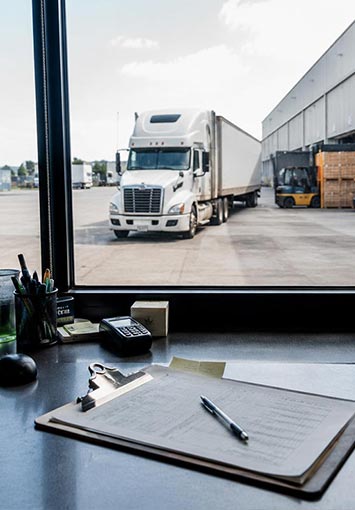
Logistics moves fast. Every day involves coordinating drivers, managing warehouse activity, handling deliveries, and keeping freight moving on schedule.
Yet, for an industry built around speed, the back office often moves much slower. Trucks can cross state lines in a matter of hours, but the paperwork they generate often takes days or weeks to get where it needs to go.
When a business is highly mobile, relying on physical paper creates a constant disconnect. Dispatch might need a document that is currently sitting on a driver’s clipboard three states away, while accounting is stuck waiting to bill, and customer service is left stalling a client on the phone. Logistics operations run on tight schedules, so even small paperwork delays can slow invoicing, customer responses, and communication between teams.
The Documents That Cause the Most Headaches
Managing a logistics business means handling a massive volume of paperwork across drivers, dispatch, compliance, billing, and maintenance. You don’t need to change every process overnight, but most of the daily slowdowns usually come back to a few specific types of records.
1. Bills of Lading and Proof of Delivery
When a driver gets a signature at a loading dock, that piece of paper represents revenue. But if that paper gets lost, damaged, has an unreadable signature, or simply sits in a truck cab for a week, your billing department is stuck. You cannot send an invoice until you have the proof. Tracking down a driver for a missing page or trying to read a smudged carbon copy slows down your cash flow.
2. Driver Qualification and DOT Files
Compliance paperwork creates ongoing stress. Tracking expiring medical certificates, scattered onboarding paperwork, and drug test results is a constant chore. Spread across multiple terminals or physical folders, pulling these records during an unexpected inspection takes far more time than it should. Digitizing these files keeps them secure, compliant, and ready for review. You can read more about our secure scanning processes and facility certifications to see how we handle sensitive employee data.
3. Fleet Maintenance Records
Tracking the service history of multiple trucks and trailers means dealing with a mountain of mechanics’ invoices, parts receipts, and handwritten inspection notes. Kept in mismatched folders and split among different vendors, confirming a past repair or verifying maintenance history takes far too long.
4. Shipping Manifests, Dispatch Records, and Trip Documents
Beyond billing and compliance, the daily trail of manifests, route sheets, and trip logs fills up office desks fast. Keeping these records on paper means answering a simple question about a past shipment often requires someone to dig through boxes or call another location to find, scan, and email the document.
What Changes When You Go Digital?
Moving away from paper isn’t about adopting complex technology. It’s about removing the delays that slow communication between dispatch, accounting, compliance, and customer service. At SecureScan, we specialize in organizing large volumes of transportation paperwork through our high-volume document scanning services.
- Invoices Go Out Faster: Accounting no longer waits for physical paperwork to arrive. When delivery documents are digitized immediately, invoices can go out the same day a load is dropped off.
- Customer Service Has Instant Answers: When a client calls asking for a copy of a signed POD, your team can pull it up on their screen and email it before the call even ends.
- Audits Turn into Routine Tasks: Instead of panicking when an auditor asks for compliance records, your compliance staff can retrieve a driver’s entire digital file in seconds.
- Maintenance History is Searchable: Instead of hunting through archived folders to see when a truck last had its brakes serviced, the complete service history can be pulled up from any connected office or terminal.
- Office Space is Reclaimed: Logistics businesses often have large operational offices where rows of filing cabinets quietly consume valuable floor space. Digitizing allows you to clear out old archives and use that space for active operations. If you want to see what clearing out those old boxes might look like for your budget, try our scanning price calculator to get an instant estimate based on your storage type.
A Practical Way to Start
The biggest mistake a company can make is trying to overhaul everything at once. You don’t have to stop operations to clear out twenty years of archives today.
The smartest approach is to look at your current workflow and identify the single biggest bottleneck. If slow invoicing is hurting cash flow, start by digitizing incoming Bills of Lading. If compliance anxiety keeps you up at night, focus on converting active driver files first. You could even start small by digitizing the records for a single fleet or a single terminal location.
Paper-heavy systems tend to grow more difficult over time as your business expands. Taking a targeted, step-by-step approach to digitizing records helps reduce the daily scramble around paperwork while making it easier to manage growing volumes of shipments, drivers, and documentation.
Managing the Transition With SecureScan
The daily demands of transportation mean you cannot pause your business just to deal with old files. With more than 23 years of scanning experience, SecureScan helps transportation and logistics companies convert paper-heavy records into organized digital archives without disrupting day-to-day operations.
We specialize in organizing large volumes of transportation paperwork, digitizing DOT compliance records, and handling active logistics documents securely. We manage the entire scanning process from setup to delivery, making sure your team still has access to the files they need throughout the project to keep trucks moving.
Contact us today to discuss a practical, step-by-step plan for your files or get a free quote for your scanning project from one of our technicians.