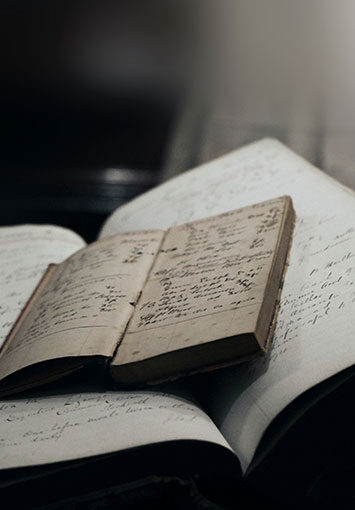
The long-term preservation of historical and cultural records is a huge challenge for those responsible for their care. Physical documents are often fragile and grow increasingly vulnerable as they age. Even under the best conditions, paper and microfiche records slowly deteriorate, putting the invaluable information they hold at risk of being lost forever.
Scanning historical records is one of the easiest and most effective ways to support long-term preservation. Creating high-quality digital copies allows records to be accessed, shared, and studied without repeatedly handling the originals. That reduced handling plays a major role in slowing physical wear while ensuring the information remains usable and accessible.
In this article, we will take a closer look at why historical document scanning matters, the technologies that support preservation efforts, and the challenges that often come up when working with aging or delicate materials.
What is Historical Document Scanning?
Historical document scanning is a specialized process used to convert aging collections of paper documents and microfilm into searchable digital files. Because these records are often delicate, the work requires careful handling and an understanding of how to scan materials that may already be showing signs of wear.
Historical records scanning preserves documents digitally, ensuring that the information they contain remains accessible for research, education, and the public interest for many years to come. Given the complexity involved, many organizations choose to outsource this process to a professional document scanning company experienced in handling historical records.
Why is the Preservation of Historical Documents Important?
Historical documents provide a direct record of the past and play an important role in how history, culture, and society are understood. As primary sources, they offer firsthand insight into earlier time periods and continue to hold value for a wide range of uses.
Authenticity
Historical documents often include firsthand accounts, perspectives, and records created at the time events took place. That authenticity allows researchers and historians to develop a more accurate understanding of the past without relying solely on interpretations or summaries.
Educational Value
Historical documents are widely used in schools and universities to support research and critical thinking. Access to this information allows students to draw their own conclusions and form a deeper connection to historical events and figures.
Cultural Identity and Continuity
Preserving historical documents helps maintain cultural identity and continuity. These records reflect the development of language, social norms, artistic expression, and shared beliefs, offering insights into how communities and societies have evolved. This connection to the past helps reinforce a sense of belonging and a broader appreciation for shared heritage.
Inspiration and Creativity
Historical materials often influence modern day writers, artists, and creators. Access to original documents from earlier periods can introduce new ideas, themes, and perspectives that continue to shape creative work today.
Legal and Administrative Importance
Historical documents often contain legal and administrative information that can impact present-day decisions. Land deeds, treaties, and contracts are just a few examples of documents that may have ongoing legal ramifications, making their preservation and accessibility especially important for legal professionals and policymakers.
How Does Scanning Historical Documents Help With Long Term Preservation?
Historical documents that record cultural, legal, and social history are often one of a kind. Once damaged or lost, the information they contain may not be recoverable, which makes long-term preservation a priority for archives, libraries, and institutions.
Scanning books and documents with historical value supports preservation efforts in several important ways.
Preservation
Digital images do not deteriorate over time in the way paper does. Once a document is scanned, it can be viewed and shared repeatedly without any loss of quality. Creating a digital version also reduces the need to handle original materials, which helps slow physical wear and deterioration.
Accessibility
Physical records can only exist in one place at a time. Digitization allows researchers, students, and the public to access historical materials from multiple locations without needing to visit an archive in person.
Dissemination
Digital copies can be easily shared and distributed, promoting collaboration among institutions and researchers.
Disaster Preparedness
Digitized records provide an added layer of protection in the event of fires, floods, or other emergencies. While original materials may not be recoverable, having scanned copies helps ensure the information they contain is not lost.
How Does Historical Document Scanning Work?
Historical document scanning is a deliberate, step-by-step approach designed to protect fragile materials while creating accurate digital copies. Each stage of the process focuses on minimizing handling, maintaining authenticity, and ensuring the resulting files are usable for long-term access and research.
Preparation
Before scanning begins, historical documents are carefully prepared. This may include cleaning pages, removing fasteners, and addressing minor damage. Planning is also important at this stage, especially when working with fragile items or when scanning oversized materials that require specialized handling.
Scanning
The actual scanning process involves converting the physical document into a digital image. Different scanners may be used depending on the format and condition of the materials. Settings such as resolution and color depth are adjusted to capture as much detail as possible without altering the original appearance.
Quality Control
Each scanned image is reviewed for clarity, completeness, and accuracy. Pages that do not meet quality standards are rescanned as needed. The goal is to produce a faithful digital representation of the original document, rather than enhancing or altering its content.
Image Enhancement
In some cases, image enhancement is used to improve legibility by addressing issues like fading or discoloration. This work is done carefully using specialized software to preserve the document’s original character. In many cases, the enhancement step is skipped, especially in cases where precise replication is required.
Indexing and Metadata
Finally, digital images are indexed and tagged with searchable metadata to support easy search and retrieval. This may include details such as titles, dates, subjects, and other identifying information found within the documents, making the files text searchable.
The Technologies Used When Scanning Historical Documents
When scanning historical documents, the approach depends largely on the format and condition of the materials. Choosing the right scanning method helps capture detail while minimizing stress on aging or delicate items.
Flatbed Scanners
Flatbed scanners are commonly used for single-page documents, photographs, and smaller materials. They offer high-resolution imaging and are well suited for items that can be safely placed on a flat surface.
Overhead Scanners
Overhead scanners are designed for large, fragile, or bound materials. Using a camera mounted above the document, they capture images without direct contact, which helps reduce the risk of damage during scanning.
Book Scanners
Book scanners are built specifically for bound volumes such as books, manuscripts, and journals. Many feature adjustable cradles that support materials at a gentle angle, helping protect bindings while still producing detailed digital images.
OCR and Text Recognition Technologies
Optical Character Recognition (OCR) converts scanned images of text into searchable, machine-readable content. This makes it easier to locate names, dates, or topics within large collections of documents. More advanced OCR tools can recognize multiple languages, fonts, and even some handwritten text, depending on the quality and condition of the original material.
File Formats and Storage Options
When scanning historical documents, choosing the right file format plays an important role in long-term preservation and future access. Different formats offer different advantages depending on how the records will be stored, shared, and used over time.
TIFF: TIFF is a lossless format often used for long-term storage. It preserves image quality without compression and supports metadata, making it a reliable option for archival master files.
JPEG: JPEG is a compressed format that creates smaller file sizes but can result in some loss of image detail. Because of this compression, it is rarely used for historical preservation projects.
PDF: PDF is a flexible format that can combine images and searchable text through OCR. For preservation-focused projects, PDF/A is a common choice. This PDF format is designed to support long-term archiving and future compatibility as technology evolves.
To learn more, check out our article PDF vs. TIFF: Which format is best for your next scanning project?
Once records have been digitized, storage choices also influence long-term preservation. Factors such as data security, accessibility, and redundancy all play an important role. Storing important records redundantly in multiple environments reduces the risk of data loss and supports long-term access to historical information.
Digital Archiving and Preservation Standards
Digital archiving and preservation standards serve as a guide for how scanned records are created and managed. They outline best practices for maintaining usability, accuracy, and accessibility as digital collections grow and evolve.
These standards address areas such as metadata, file formats, storage practices, and quality review. Well-known examples include the PREMIS (Preservation Metadata Implementation Strategies) and OAIS (Open Archival Information System) reference models, along with FADGI (Federal Agencies Digital Guidelines Initiative).
What Are the Challenges of Scanning Historical Documents?
Scanning historical documents comes with unique challenges that are not always present in standard digitization projects. Aging materials are often fragile, which means extra care is needed during handling and scanning. Variations in document size, format, and binding can also affect how records are captured and may require different approaches to scanning.
Legibility can present another challenge. Faded ink, stains, or water damage can make text difficult to read and interpret. In some cases, copyright considerations may also apply, particularly when materials are still protected and permission is required before scanning or sharing digital copies.
Taken together, these challenges highlight the importance of thoughtful planning and a careful approach when working with historical materials.
Professional Services and Expertise
Historical document scanning projects benefit from experience and thoughtful planning. Working with important and often fragile records calls for a careful approach that balances preservation with accuracy. For this reason, many organizations choose to work with a professional scanning company like SecureScan, relying on our experience to ensure digital files accurately represent the originals while minimizing risk during the scanning process.
Some of the advantages of working with an experienced scanning provider include:
Careful Handling
Older documents are fragile and easier to damage. Experienced scanning technicians use handling practices designed to limit stress on materials during digitization.
Specialized Equipment
We maintain a range of scanning equipment to accommodate different document types, sizes, and conditions. Having the right tools available allows records to be digitized accurately while minimizing unnecessary handling or stress during the process.
Image Enhancement
When legibility issues are present, image enhancement tools can be used to improve readability while preserving the original appearance of the document. The focus remains on accuracy rather than altering the content.
Collaboration and Permissions
When permissions or usage considerations apply, we work closely with institutions and rights holders to help navigate those requirements and support appropriate access to historical records.
Together, these practices help ensure historical records are handled with care and converted into accurate digital files that can be accessed and preserved for the long term.
The Future of Historical Document Scanning
Advances in scanning and imaging technology continue to expand what’s possible when working with historical materials. Tools such as multispectral imaging, AI-driven OCR, and emerging capture methods are improving how information is preserved, accessed, and analyzed over time.
As these technologies mature, they offer new ways to uncover detail, improve legibility, and support long-term access to historical records, while still respecting the care and accuracy required when working with original materials.
Wrapping Up
Historical document scanning plays an important role in preserving and sharing cultural heritage. Understanding the process, technologies, and challenges involved helps ensure these materials are digitized carefully and remain accessible for years to come.
If you’re planning a historical scanning project, working with an experienced team can make all the difference. With more than 23 years of experience working with educational institutions and government agencies, SecureScan brings the knowledge and care needed to preserve historical records responsibly. Contact us to learn more about how we can support your preservation efforts or to discuss the scope of your project. You can also use our document scanning cost calculator to estimate the cost of your scanning project.