Records Management Knowledge Center
Learn how to manage, organize, and store your critical data more efficiently.
Improving the accessibility and security of your data doesn't need to be difficult. Our knowledge base contains all the information you need to make informed decisions when its time to modernize your records management practices.

Scanning photos is a great way to preserve cherished memories and document family history. For many people, photo albums hold decades of captured moments, and gathering around them to relive these memories has long been a shared tradition. But as we all know, photographs don’t last forever. They fade, can be easily damaged by water

For most businesses, collecting and managing personal information is just part of the job. Customers often share their details and do so for a variety of reasons, trusting that this information will be kept private and managed responsibly. Yet, the rules around classifying this data can be complex, and it’s not always clear what type
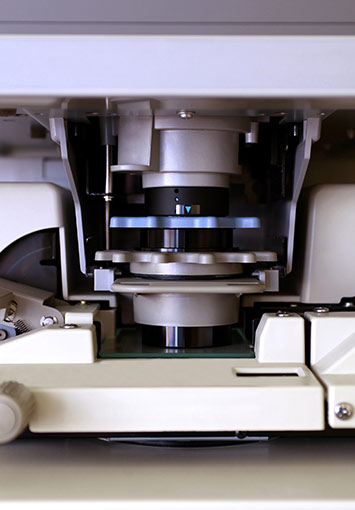
Once a ubiquitous solution for preserving important documents, microfilm was, at one time, the go-to storage medium for libraries, legal firms, healthcare institutions, and government agencies.
However, the scarcity of microfiche readers and scanners today can make accessing and using this data challenging.
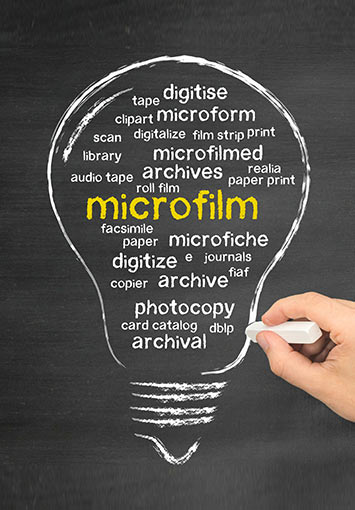
When it comes to storing documents in a compact, durable format, microfiche and microfilm have been the go-to choice for records storage for decades. Government agencies, museums, and libraries have relied on these formats for years, using them to archive everything from historical documents to public records. It’s also not unusual for individuals to have

Keeping records accurate and up to date can be challenging, especially for businesses still relying on paper files. Physical documents can easily become disorganized, leaving your team buried under paperwork, which makes it difficult to track updates and maintain consistency across your records. This disorganization can quickly lead to confusion. Even a single missing or

Savvy business owners are always looking for new ways to save money and increase their bottom line. But in the quest to trim the fat, many overlook the potential savings that can come from modernizing their business’s record-keeping practices. And honestly, that’s not surprising. Record-keeping is typically seen as a mundane necessity, a side effect

Managing medical records has always been a challenge for healthcare providers, but the shift towards paperless recordkeeping is greatly simplifying the process. With many practices moving away from traditional paper recordkeeping, Electronic Medical Record (EMR) systems are becoming the new standard, offering streamlined management of patient charts, improved accuracy in documentation, and enhanced accessibility to

Optical character recognition (OCR) is specialized software designed to recognize and extract text from images or scanned documents. By converting physical text into machine-readable data, OCR makes it possible to search, edit, and process the contents of scanned documents using word processing software. This makes it an essential tool for anyone looking to digitize paper

When dealing with sensitive personal information, there’s no room for error. Business owners are responsible with protecting this data, whether it’s financial records, health information, or legal paperwork. A single mistake, such as losing a document containing someone’s personally identifiable information (PII) can lead to serious consequences, potentially exposing your business to data breaches, legal

In the healthcare industry, effective records management can be the difference between chaos and clarity, inefficiency and excellence, vulnerability and security. Healthcare organizations are tasked with handling an overwhelming number of records—from patient medical histories, test results, and treatment plans, to insurance information, billing records, and even staff employment data. However, the management of these